

Symposium Zagreb: EU Pay Transparency Directive – Obligations, Implementation, and Practice

How are Croatian employers preparing for the EU Pay Transparency Directive?
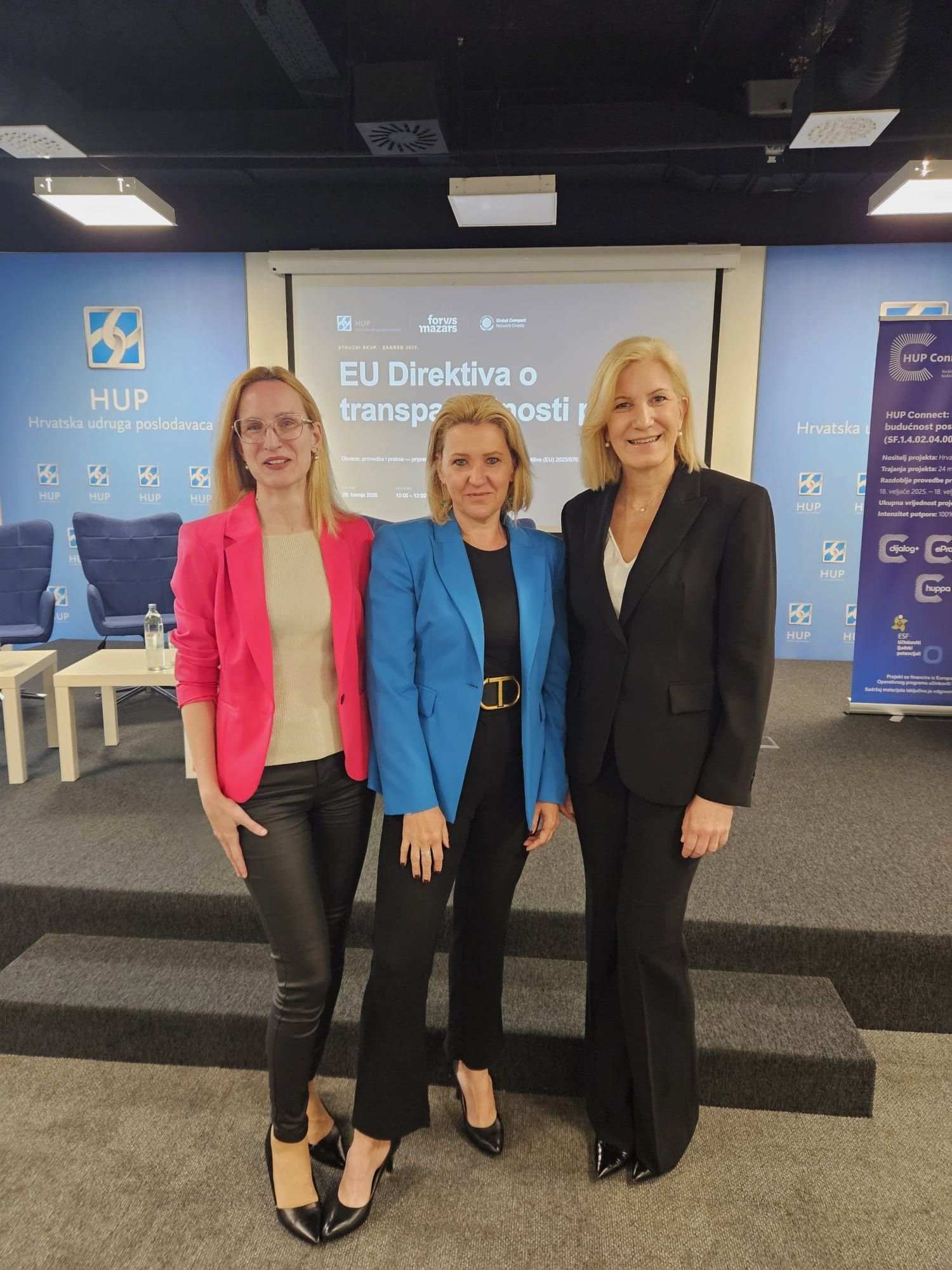
On 29 April 2026, a professional conference titled
“EU Pay Transparency Directive – obligations, implementation and practice”
was held in Zagreb, organised by the
Croatian Employers’ Association, UN Global Compact Network Croatia and Forvis Mazars. The event brought together a strong representation of business leaders, HR professionals and legal experts to discuss the transition towards greater pay transparency and equal pay – key requirements introduced by the new EU Directive.
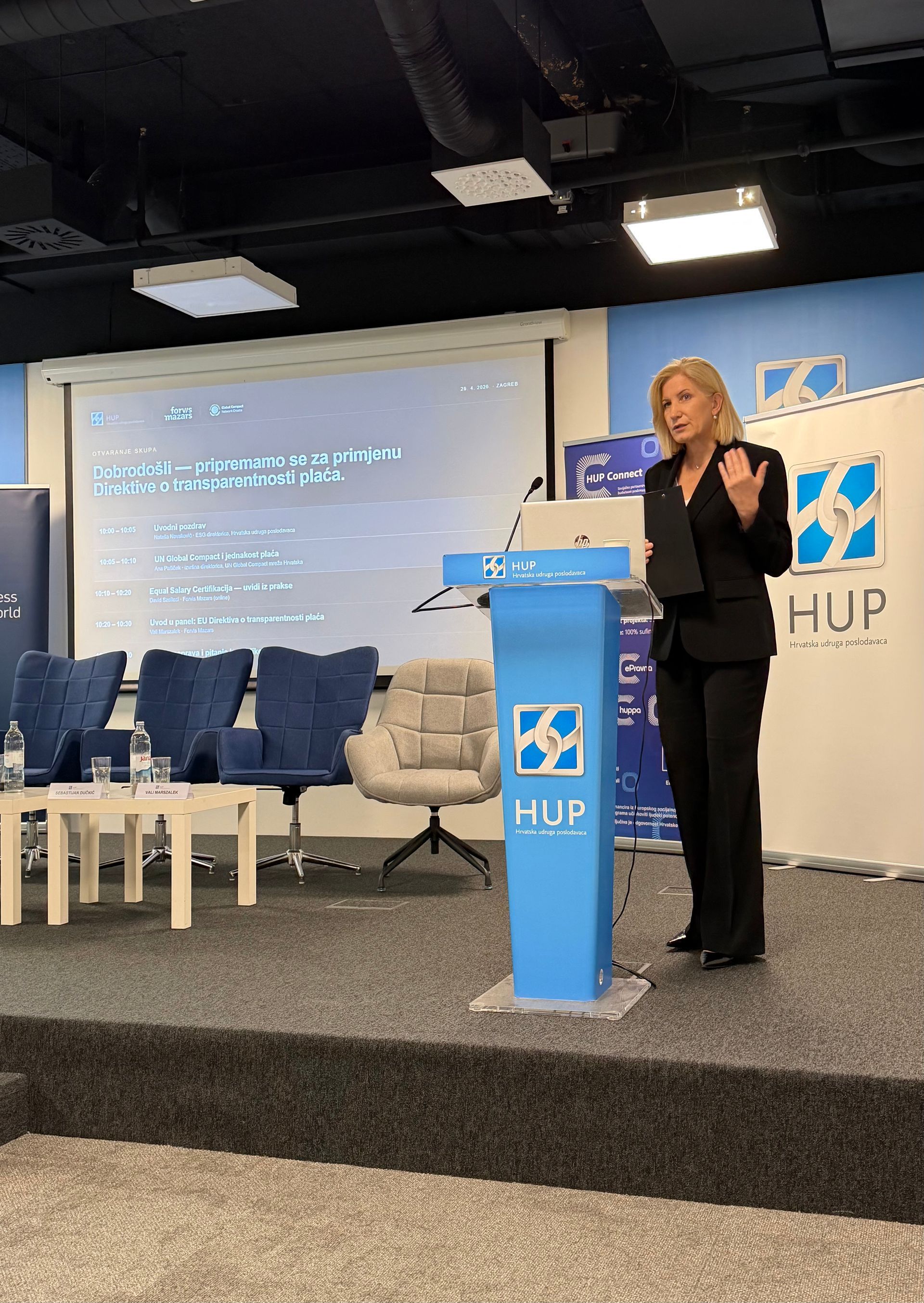
Ana Pašiček, Executive Director of UN Global Compact Network Croatia, highlighted the broader relevance of the topic:
“The Pay Transparency Directive represents an important step towards more equitable and responsible business practices. It is not only about compliance with new requirements, but also an opportunity for organisations to build trust and demonstrate a genuine commitment to equality. Transparent pay systems help address disparities and contribute to a working environment where criteria are clear and opportunities are equal for all.”
Transparency as a new business standard
The EU Pay Transparency Directive represents one of the most significant regulatory developments in human resources management over the past decade. Its objective is to close the gender pay gap and ensure employees’ right to access information on pay levels.
During the introductory sessions, experts emphasised that this is not merely an administrative requirement, but a structural shift in organisational culture. Companies will need to introduce clear reporting procedures, increase transparency in recruitment processes, and align internal HR policies with the new standards.
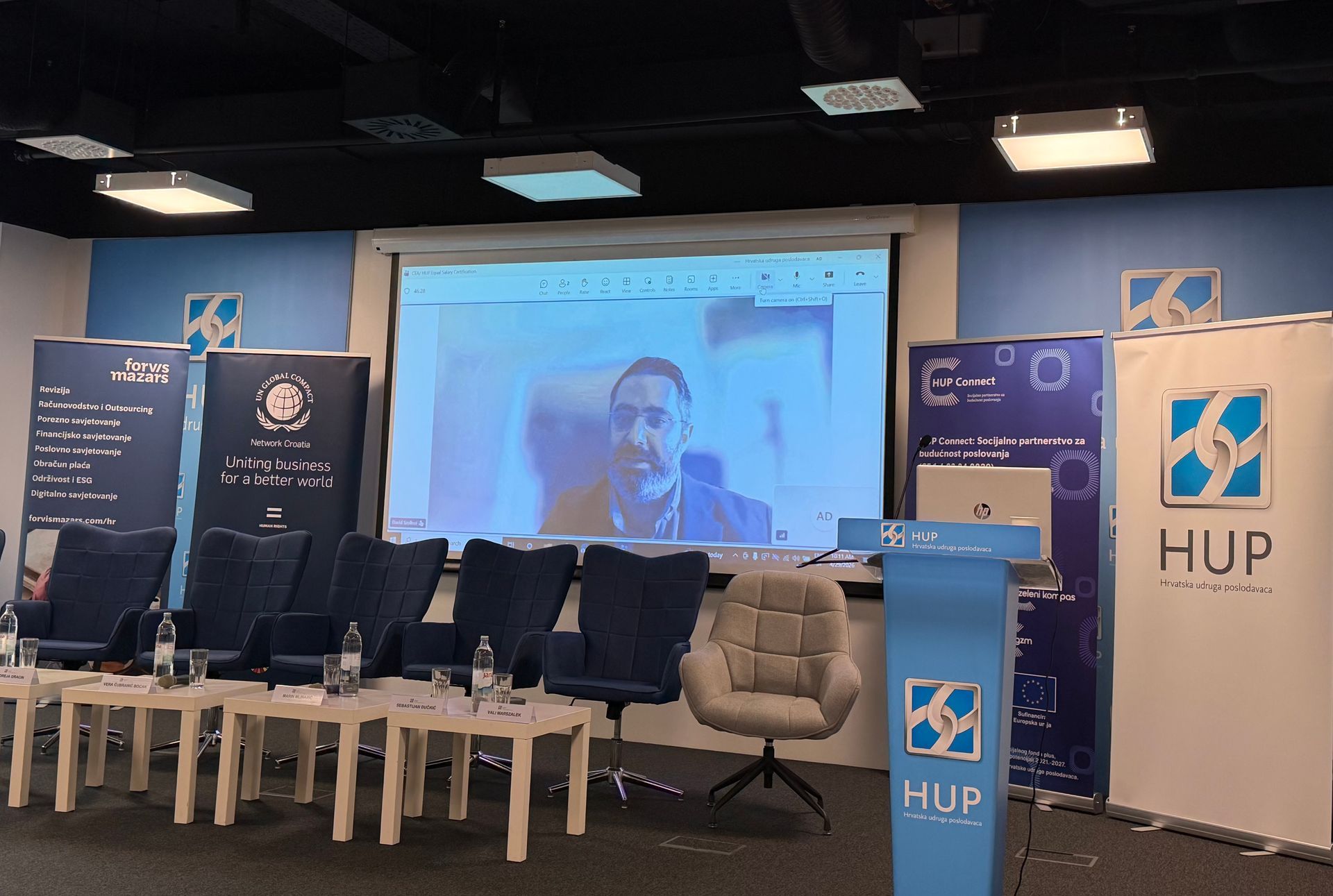
A practical perspective was provided by David Szollosi (Forvis Mazars), who presented the Equal Salary certification as a framework through which organisations can already measure and demonstrate pay equity in practice.
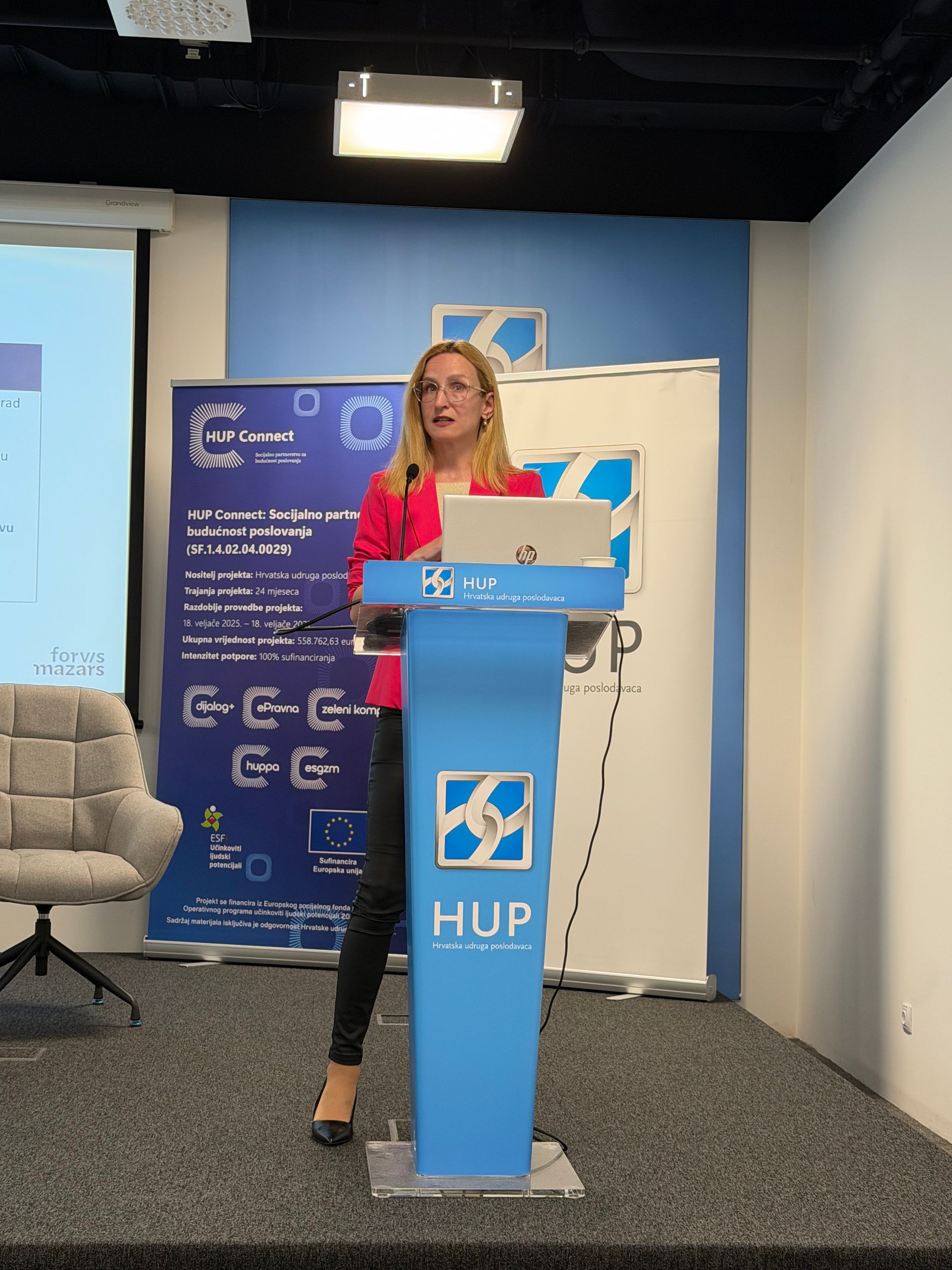
An expert introduction to the Directive was delivered by Vali Marszalek, Director of Sustainability/ESG and Equal Salary Auditor at Forvis Mazars, setting the stage for the central discussion.
Panel discussion: Between regulatory requirements and practical implementation
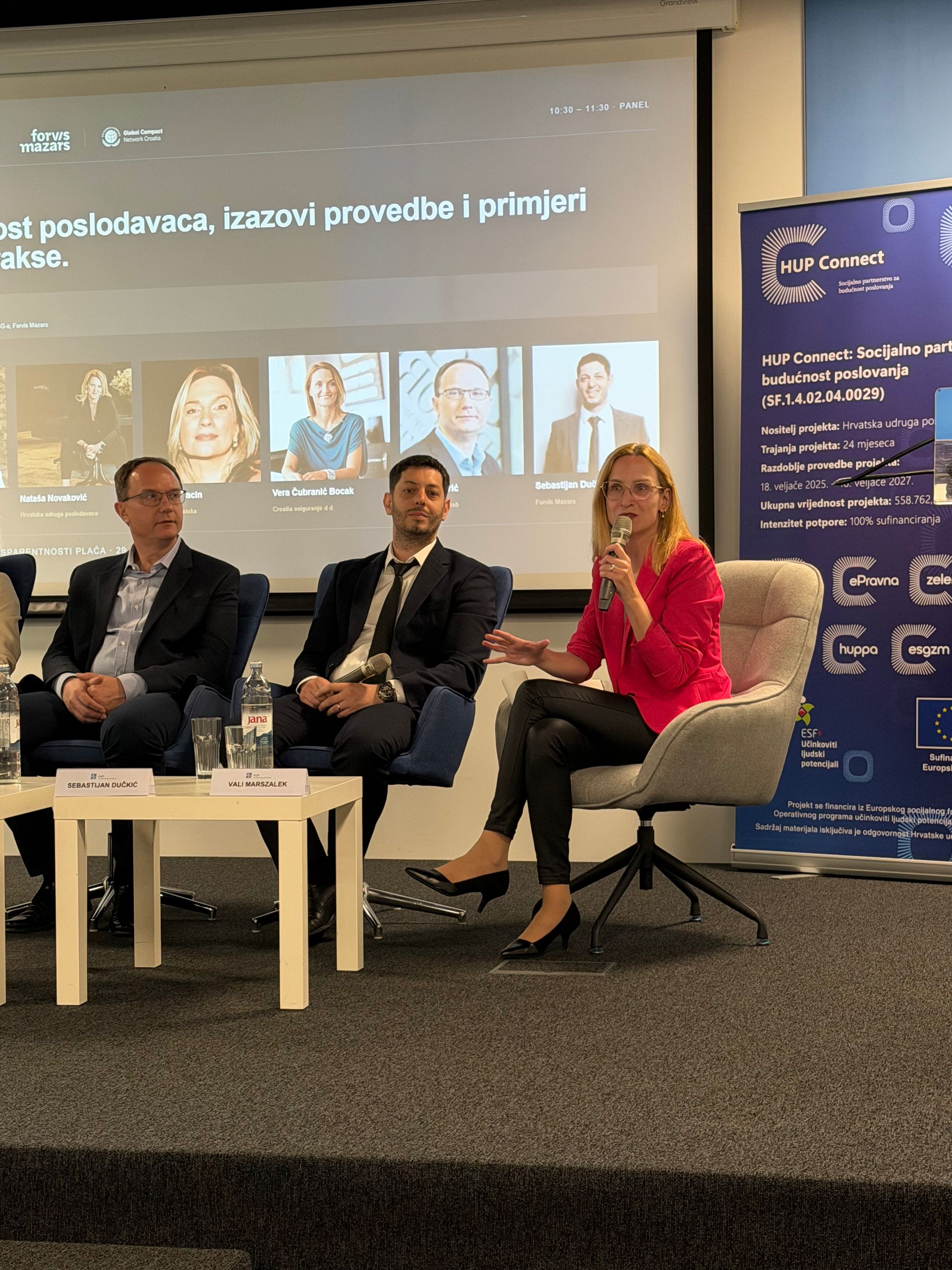
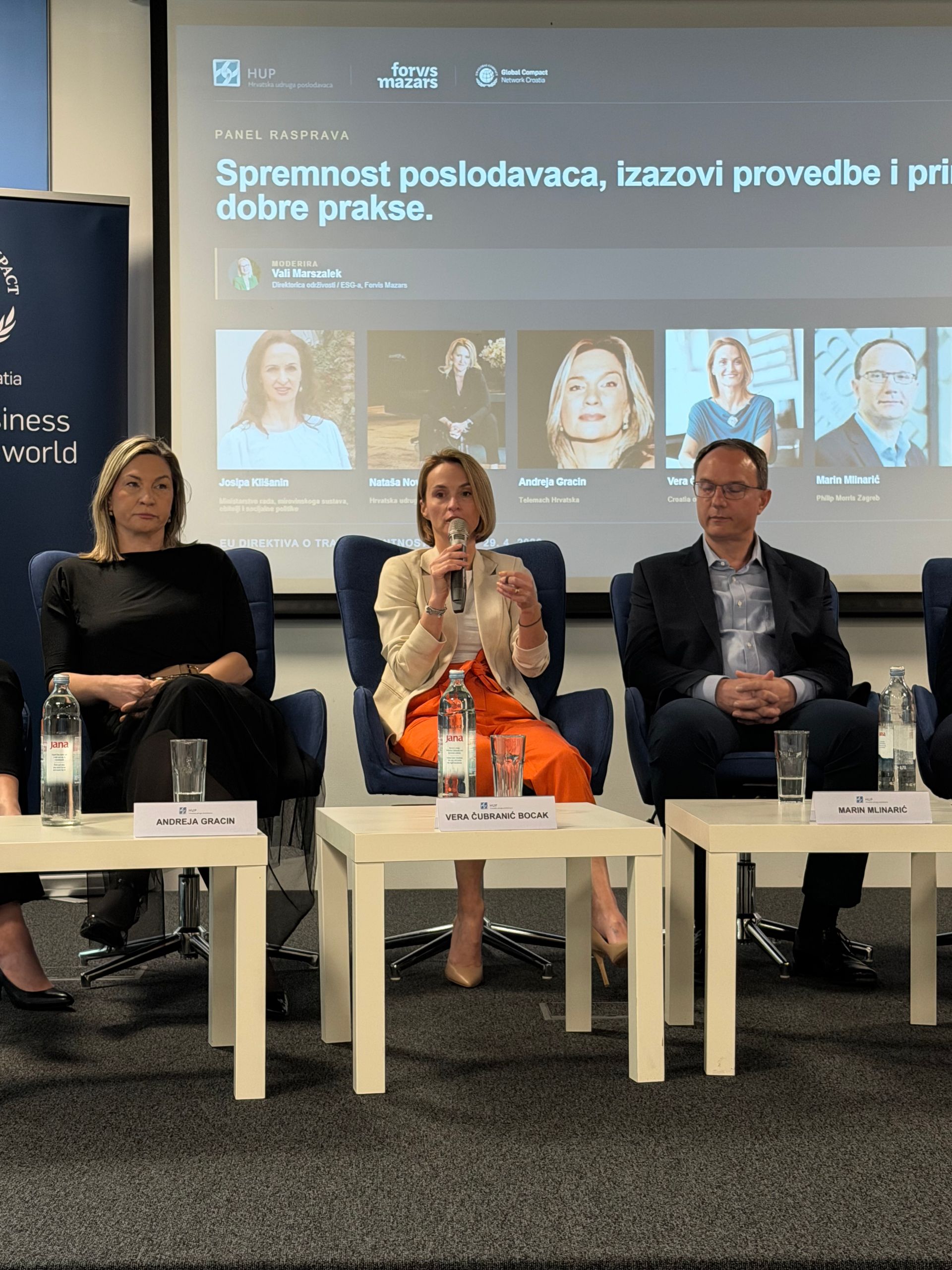
The central part of the event featured a dynamic panel discussion addressing key challenges that employers are already encountering in preparing for the Directive’s implementation. Insights from different sectors – including public administration, telecommunications and insurance – were shared by:
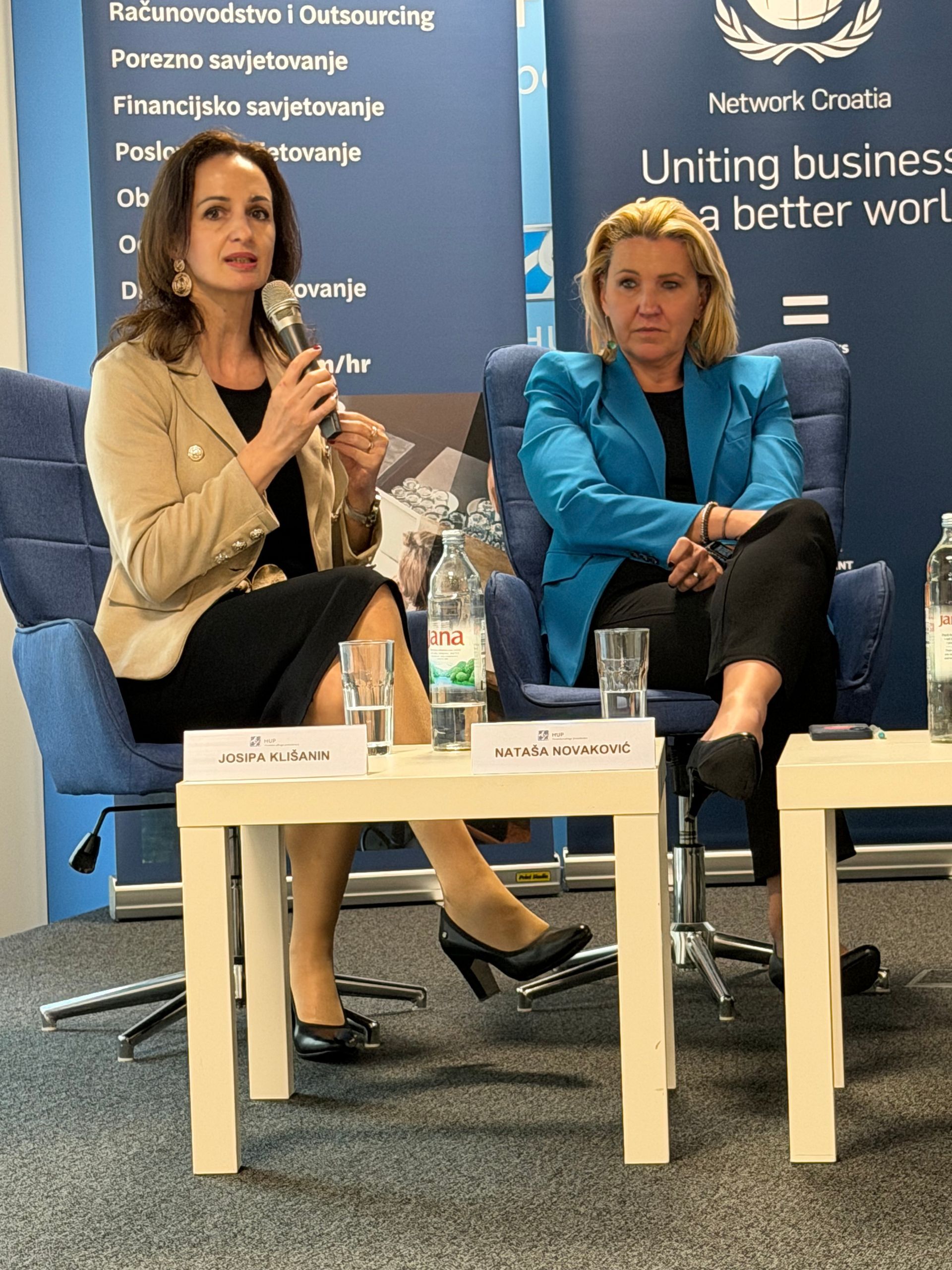
- Josipa Klišanin, Head of the Labour Sector, Ministry of Labour, Pension System, Family and Social Policy
- Nataša Novaković, ESG Director, Croatian Employers’ Association
- Andreja Gracin, Executive Director of Human Resources, Telemach Croatia
- Vera Čubranić Bocak, Director of Human Resources Management Division, CO Group, Croatia osiguranje d.d.
- Marin Mlinarić, Member of the Management Board and Director of Human Resources and Organizational Culture, Philip Morris Zagreb
- Sebastijan Dučkić, Senior Manager – Payroll and Global Mobility Services, Forvis Mazars
The discussion was moderated by Vali Marszalek.
Key topics included:
- Data availability: How to define “objective and gender-neutral criteria” for determining pay across different industries
- Reporting obligations: What are the actual requirements for companies with more than 100 employees and how to avoid excessive administrative burden
- Talent attraction: How salary transparency in job postings may reshape labour market dynamics and influence candidates’ negotiating power
The discussion highlighted that pay transparency should be seen as an opportunity to rethink compensation systems, ultimately contributing to higher employee satisfaction and stronger employer branding.
Conclusion: The need for a “reality check”
Participants agreed that while transparency brings long-term benefits, it also presents significant implementation challenges. Nataša Novaković pointed out: “Implementation represents a substantial administrative and financial burden, which is why the Croatian Employers’ Association is advocating for simplification of obligations and a delay in implementation. A ‘reality check’ is needed to assess how these rules can be applied in practice across organisations of different sizes and whether they are feasible as currently designed.”
Although the official deadline for transposing the Directive is 7 June 2026, it is expected that Croatia, like many EU Member States, may face delays in full implementation due to the complexity of required measures and the need for additional preparatory steps.
UN Global Compact Network Croatia will continue to support its members through education and knowledge-sharing in the field of ESG standards, ensuring that transparency becomes a driver of progress rather than merely an administrative obligation.













Blog EN