

Business and Human Rights in an Era of Global Challenges - How Membership in the UN Global Compact Network Croatia Opens the Door to International Dialogue
The role of the business sector in human rights discussions has become inseparable from issues of sustainability, resilience, and long-term competitiveness. For this reason, the UN Forum on Business and Human Rights in Geneva represents one of the key global platforms bringing together companies, international organizations, regulators, and experts shaping the future frameworks for responsible business conduct.
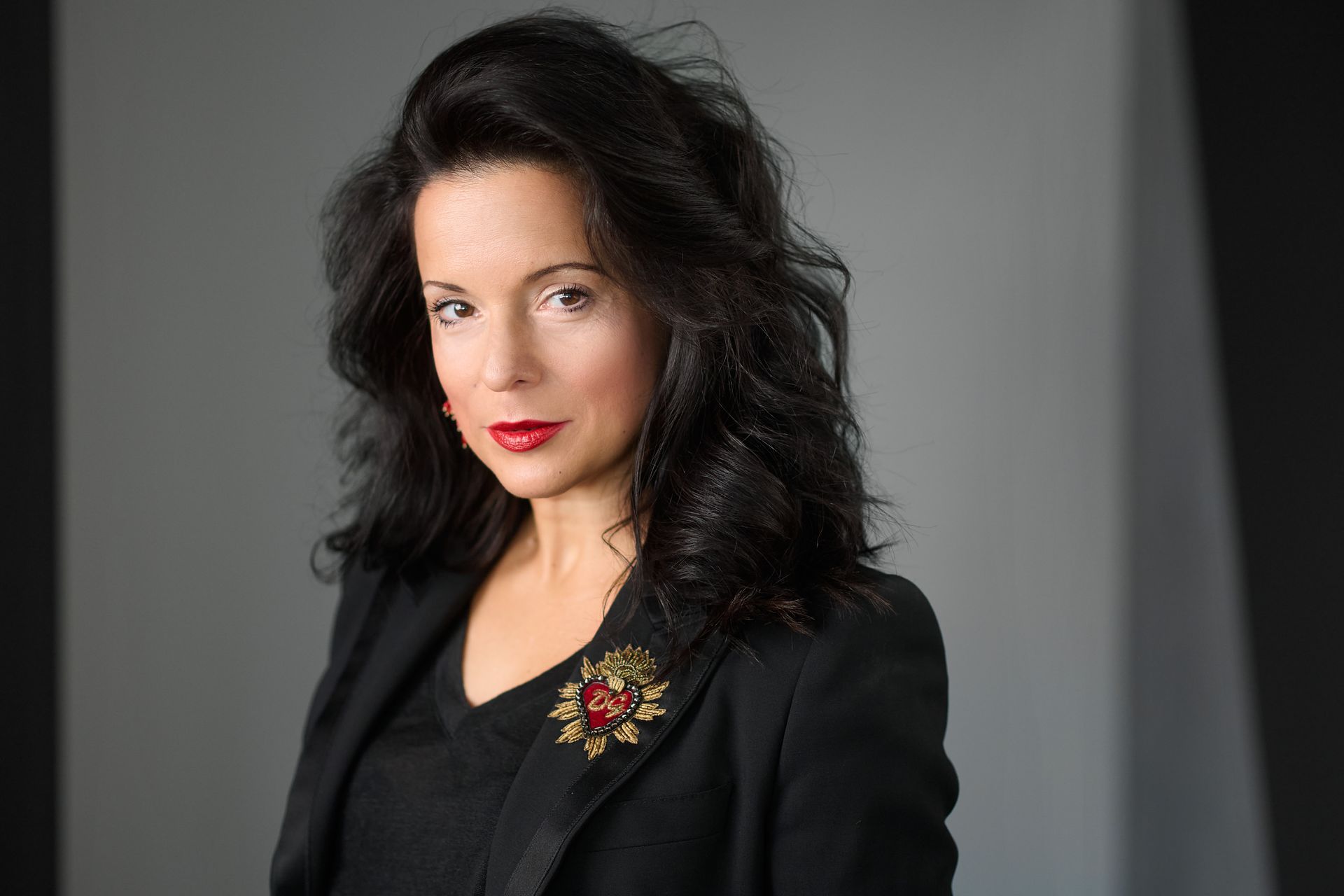
Among the panellists at this year’s Forum was Lucia Ana Tomić, Head of HR and Regulatory Affairs at Wiener osiguranje Vienna Insurance Group d.d., a member company of the UN Global Compact Network Croatia.
Her participation in the Forum is directly linked to the company’s active engagement in the Network, which provides its members with access to international UN platforms, facilitates knowledge exchange, and enables participation in global discussions on business and human rights.
Experiences from Geneva clearly demonstrate that membership in the UN Global Compact Network Croatia is not not merely a formal commitment, but a meaningful opportunity for professional development, strategic positioning, and meaningful impact.
The UN Forum as a Platform for Learning and Expanding Perspectives
Participation in the UN Forum, as highlighted by Tomić, proved to be a powerful learning experience and an opportunity to gain insight into the real-world impact of business decisions on human rights.
“In the business world, we often assume that we respect human rights simply because we operate within well-regulated systems,” she noted. However, over the course of the three-day Forum, it became clear to what extent the business sector often unintentionally affects the broader social context.
Insights from different parts of the world provided a basis for a deeper understanding of the responsibility companies bear, not only towards their employees, but also towards communities and society as a whole.
Human Rights and Competitiveness: A False Dilemma
One of the central themes of the panel in which Tomić participated was the widespread perception that respect for human rights represents a financial burden for companies.
The findings of the United Nations Development Programme study Human Rights vs. Competitiveness – A False Dilemma? challenge this assumption. The research demonstrates that investments in systems for monitoring and safeguarding human rights do not undermine competitiveness; on the contrary, they are associated with increased efficiency and enhanced long-term corporate value.
As Tomić emphasised, the key message of the study shifts the focus from the question of whether companies can afford to respect human rights to how strong human rights practices can become a source of strategic advantage, resilience, and shared value.
Artificial Intelligence, Risk, and Corporate Responsibility
In the financial and insurance sectors, artificial intelligence is increasingly used as a tool for risk assessment and decision-making. At the same time, this is precisely where new human rights–related challenges begin to emerge, as Tomić points out.
Algorithms are shaped by the data and assumptions defined by people. Automated assessments - for example in the context of climate-related risks - can lead to situations in which entire communities are excluded from access to financial products or insurance coverage.
Such outcomes are not necessarily the result of intentional harm, yet their consequences can have long-lasting societal impacts. For this reason, the responsible use of artificial intelligence requires clear frameworks, critical reflection, and continuous assessment of the impact of technology on people.
Why the Voices of Croatian Companies Matter
Participation in the UN Forum further underscored the importance of ensuring that companies from Croatia are represented in international discussions. Through the UN Global Compact Network Croatia, member companies are given the opportunity to bring their experiences, challenges, and good practices into the global dialogue.
As Tomić emphasised, companies from smaller countries also have the opportunity to participate, raise questions, and exchange experiences. This exchange of knowledge does not remain at the international level; it is brought back into the local context and directly contributes to the improvement of business practices in Croatia.
From International Forums to Internal Business Culture
Upon returning from Geneva, the knowledge and insights gained were incorporated into internal discussions, training activities, and processes within Wiener osiguranje. While the sector is highly regulated and many topics are already formally addressed through policies, understanding why certain rules matter proved essential to their effective implementation in practice.
Participation in the Forum also sparked increased employee interest in the programmes of the UN Global Compact Network Croatia, including the
Business & Human Rights Accelerator, further highlighting the value of the Network as a platform for knowledge and skills development.
Putting People at the Centre of Business – A Shared Message
One key insight from the Forum stood out for Tomić in particular: within legal and social systems, it is always people - not institutions or companies - who are at the centre. The same principle applies to the business sector.
Companies are built around people – employees, customers, and communities – and their products and services should respond to real human needs.
This approach, promoted by the UN Global Compact Network Croatia through its activities and international platforms, supports the development of responsible, sustainable, and long-term successful business practices.
Blog EN